
Introduction
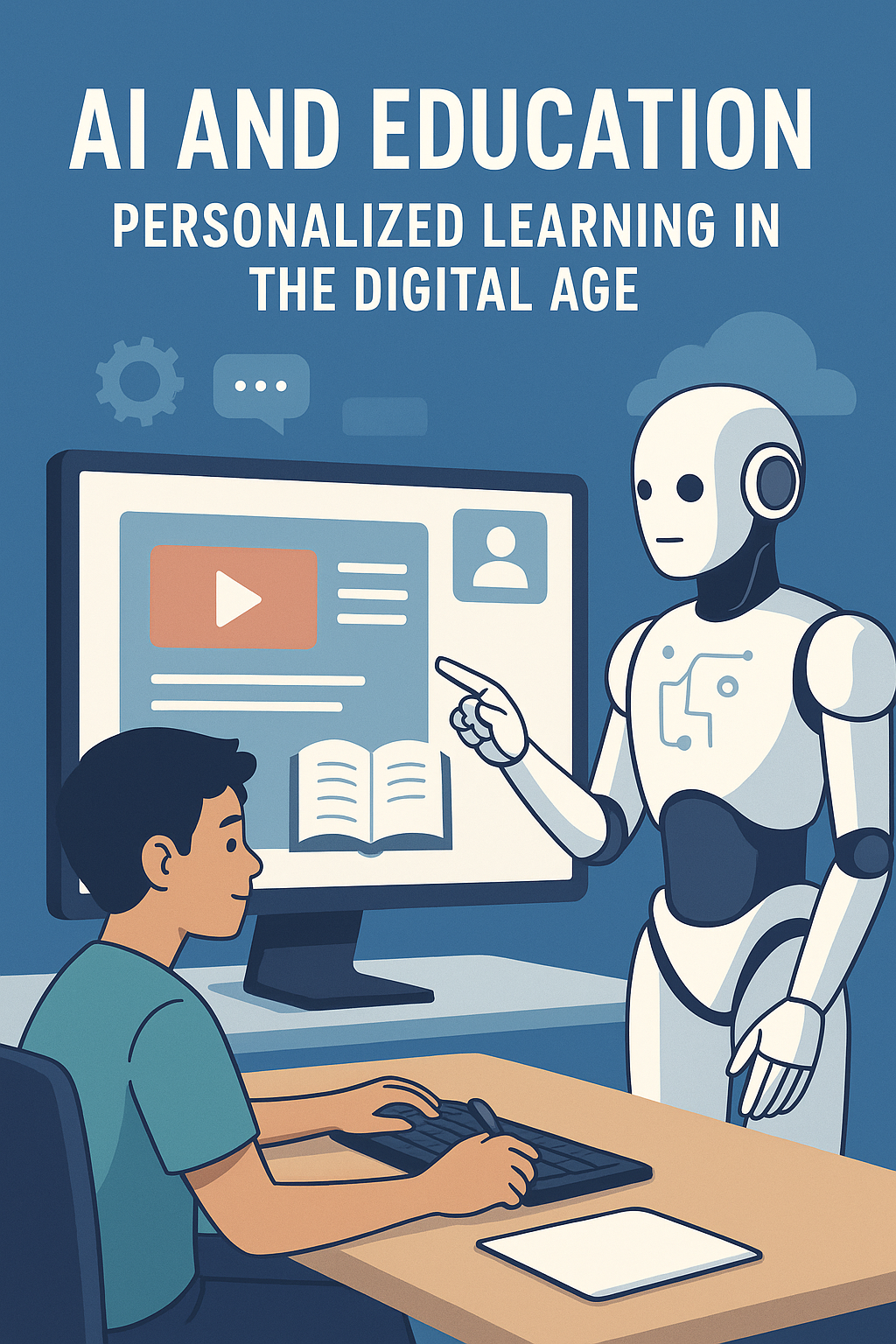
The integration of artificial intelligence (AI) into education has ushered in a transformative era, redefining how students learn and educators teach. Personalized learning, enabled by AI, tailors educational experiences to individual student needs, preferences, and learning paces. In the digital age, where technology permeates every aspect of life, AI-driven personalized learning is reshaping education by fostering inclusivity, improving engagement, and preparing students for a dynamic future. This article explores the role of AI in personalized learning, its benefits, challenges, and future implications.
The Rise of Personalized Learning
Traditional education systems often adopt a one-size-fits-all approach, where standardized curricula and teaching methods may not address the diverse needs of learners. Personalized learning, by contrast, focuses on customizing education to align with each student’s strengths, weaknesses, and interests. AI technologies, such as machine learning, natural language processing, and data analytics, have made this customization scalable and effective.
AI-driven platforms analyze vast amounts of data—such as student performance, learning styles, and engagement levels—to create tailored learning pathways. For example, platforms like Duolingo or Khan Academy use AI to adapt lessons in real time, offering exercises that match a student’s current skill level while gradually increasing complexity. This dynamic adjustment ensures students remain challenged without feeling overwhelmed.
How AI Enables Personalized Learning
1. Adaptive Learning Systems
AI-powered adaptive learning systems assess a student’s progress through continuous feedback loops. These systems use algorithms to identify knowledge gaps and adjust content accordingly. For instance, if a student struggles with algebraic equations, the system might provide additional practice problems or simplified explanations until mastery is achieved. Tools like Smart Sparrow and DreamBox Learning exemplify this approach, offering real-time adjustments to curricula based on student interactions.
2. Intelligent Tutoring Systems
Intelligent tutoring systems (ITS) simulate one-on-one tutoring by providing personalized guidance. These systems leverage natural language processing to interact with students, answer questions, and offer hints. Carnegie Learning’s MATHia, for example, acts as a virtual math coach, guiding students through problem-solving steps while adapting to their learning pace.
3. Predictive Analytics
AI uses predictive analytics to anticipate student needs. By analyzing historical data, such as test scores and participation rates, AI can predict which students are at risk of falling behind and suggest interventions. This proactive approach helps educators address issues before they escalate, ensuring no student is left behind.
4. Content Personalization
AI curates learning materials based on individual preferences. For instance, platforms like Coursera or EdX recommend courses based on a learner’s interests and prior engagement. Similarly, AI can generate customized reading lists, videos, or interactive simulations to cater to diverse learning styles, such as visual, auditory, or kinesthetic.
5. Accessibility and Inclusivity
AI enhances accessibility by supporting students with disabilities. Speech-to-text tools, real-time translations, and text-to-speech applications enable students with visual, auditory, or language barriers to engage with content. For example, Microsoft’s Immersive Reader uses AI to assist students with dyslexia by providing adjustable text formats and read-aloud features.
Benefits of AI-Driven Personalized Learning
- Enhanced Engagement: Tailored content keeps students motivated by aligning with their interests and skill levels.
- Improved Outcomes: Studies, such as a 2023 report by the Bill & Melinda Gates Foundation, show that students using AI-driven platforms like Khan Academy improve test scores by up to 20% compared to traditional methods.
- Scalability: AI enables personalization at scale, making high-quality education accessible to millions, even in under-resourced regions.
- Time Efficiency: Educators save time on administrative tasks like grading, allowing more focus on teaching and mentoring.
- Lifelong Learning: AI fosters skills like critical thinking and adaptability, preparing students for a rapidly changing job market.
Challenges and Ethical Considerations
Despite its potential, AI in education faces challenges:
- Data Privacy: AI systems rely on extensive student data, raising concerns about security and misuse. Compliance with regulations like GDPR and FERPA is critical.
- Equity and Access: While AI can bridge gaps, unequal access to technology in low-income areas risks widening educational disparities.
- Teacher Training: Educators need training to effectively integrate AI tools into classrooms, which requires time and resources.
- Over-Reliance on Technology: Excessive dependence on AI may reduce human interaction, which is vital for social and emotional development.
- Bias in Algorithms: AI systems can perpetuate biases if trained on skewed datasets, potentially reinforcing stereotypes or favoring certain demographics.
Addressing these challenges requires collaboration between policymakers, educators, and technologists to ensure ethical and equitable AI implementation.
The Future of AI in Education
The future of AI-driven personalized learning is promising. Emerging technologies like generative AI could create highly interactive virtual tutors capable of simulating Socratic dialogues or generating custom lesson plans. Virtual and augmented reality, combined with AI, could immerse students in tailored simulations, such as historical events or scientific experiments. Moreover, AI could democratize education by providing low-cost, high-quality learning resources to remote or underserved areas.
However, the human element remains irreplaceable. AI should complement, not replace, teachers, who provide mentorship, emotional support, and critical human connection. The ideal future blends AI’s efficiency with human empathy to create holistic learning environments.
Conclusion
AI-driven personalized learning is revolutionizing education in the digital age by catering to individual needs, enhancing engagement, and improving outcomes. While challenges like data privacy and equitable access persist, the potential to create inclusive, effective, and scalable education systems is immense. As AI continues to evolve, its thoughtful integration into education will empower students to thrive in a complex, technology-driven world, ensuring that learning is not just personalized but also profoundly impactful.


Be First to Comment