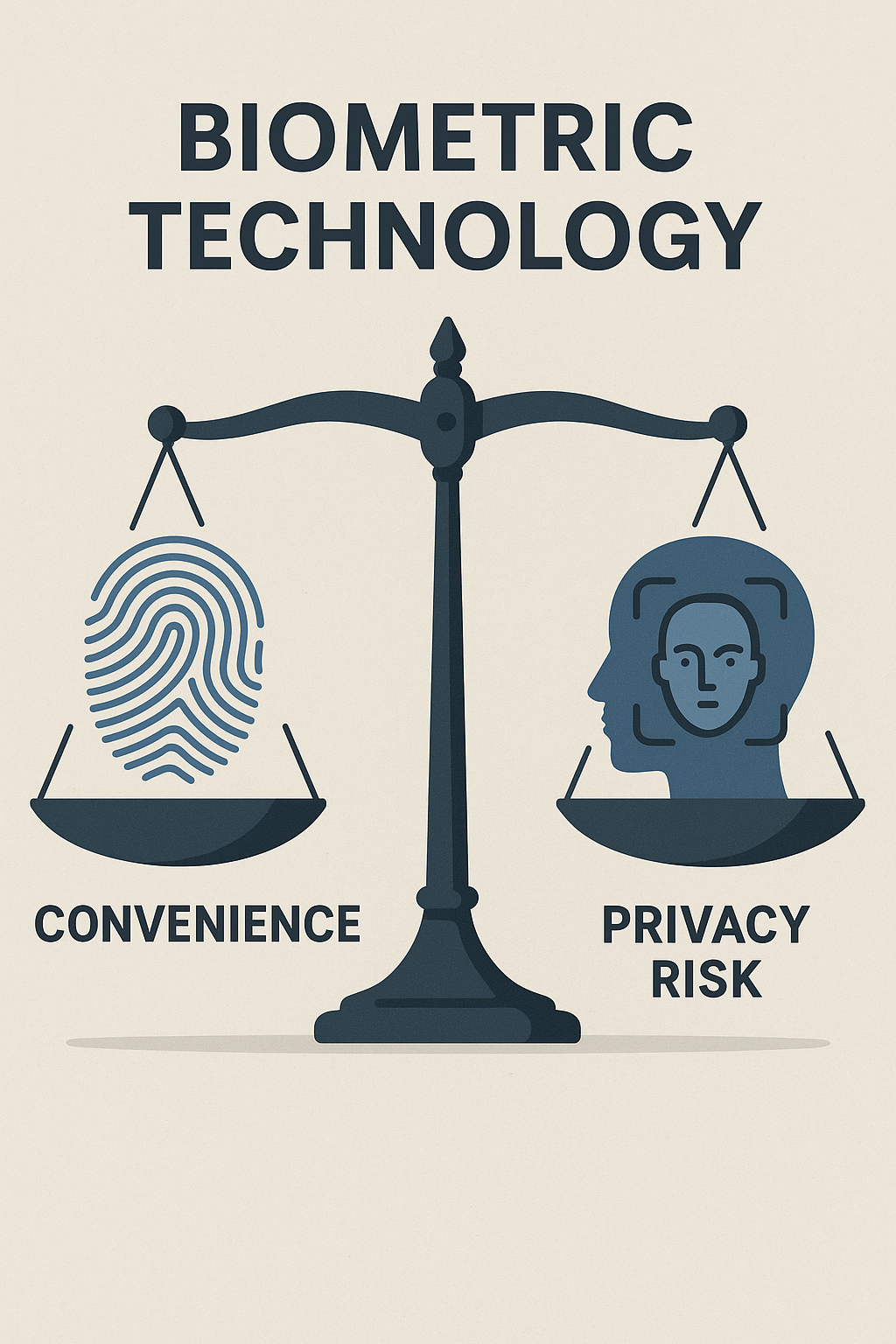
In an era where digital interactions dominate daily life, biometric technology has emerged as a cornerstone of modern authentication systems. Biometrics refers to the use of unique physiological or behavioral characteristics—such as fingerprints, facial recognition, iris scans, voice patterns, or even gait analysis—to verify identity. From unlocking smartphones to boarding flights, this technology promises unparalleled ease and security. Yet, as its adoption accelerates, a heated debate rages: Does the convenience it offers outweigh the profound privacy risks it poses? This article explores both sides, drawing on recent developments and expert insights up to September 2025.
The Allure of Convenience: Why Biometrics Are Gaining Ground
Biometric systems have revolutionized user experience by eliminating the need for cumbersome passwords or physical tokens. Imagine glancing at your phone to access your bank account or placing a finger on a sensor to enter a secure building—these processes are not only faster but also more intuitive. According to industry analyses, biometrics enhance security by being inherently unique and difficult to duplicate, reducing risks like password sharing or theft. In everyday applications, this translates to seamless experiences: Apple’s Face ID and Google’s fingerprint unlock have become staples for billions, cutting authentication time to seconds.
Beyond personal devices, biometrics are transforming sectors like travel and finance. Airports worldwide use facial recognition for expedited boarding, as seen in systems like Australia’s SmartGate, which processes travelers efficiently without manual checks. In payments, technologies like Amazon’s palm scanning or Mastercard’s biometric cards enable contactless transactions, boosting consumer convenience while purportedly deterring fraud. Proponents argue that biometrics are more reliable than traditional methods, as they can’t be easily forgotten or lost, leading to lower identity theft rates in controlled environments.
Recent innovations further amplify these benefits. In 2025, companies like Archethic introduced biometric cold wallets for cryptocurrency, allowing users to secure assets with fingerprints or facial scans, eliminating seed phrases and reducing loss risks. Such advancements highlight how biometrics can democratize secure technology, making it accessible even in high-stakes fields like blockchain.
The Shadow Side: Privacy Risks and Ethical Dilemmas
Despite these advantages, biometric technology’s dark underbelly cannot be ignored. Unlike passwords, which can be reset, biometric data is immutable—if compromised, it remains vulnerable forever. This permanence amplifies privacy concerns, as breaches could lead to lifelong identity threats. Critics warn of “function creep,” where data collected for one purpose (e.g., access control) is repurposed for surveillance, such as tracking employee movements or monitoring public spaces without consent.
Data breaches exacerbate these fears. In 2025 alone, incidents involving sensitive biometric-like data made headlines. For instance, the 23andMe breach exposed genetic information—a form of biometric data—for millions, with hackers selling it on the dark web, raising alarms about health privacy and discrimination. Similarly, Samsung’s leak of 270,000 customer records, including potentially biometric-linked details, underscored vulnerabilities in storage systems. These events join a growing list, including Amazon’s exposure of employee data, highlighting how centralized databases become prime targets for cybercriminals.
Surveillance risks are particularly acute. Facial recognition systems, deployed by governments and corporations, have been criticized for enabling mass tracking. In the UK, advocacy groups like Together Association decry such tech as “Big Brother” tools, noting higher misidentification rates for women, youth, and ethnic minorities, which could perpetuate biases. In schools, biometric implementations for security have sparked debates over student privacy, with concerns about data sharing and long-term implications. Moreover, covert collection—capturing faces or voices without awareness—erodes consent, as seen in public deployments where individuals have little recourse.
Technical flaws add another layer. Systems can fail due to environmental factors, aging, or spoofing (e.g., using masks or deepfakes), leading to false positives or negatives. In crypto contexts, experts like Ari Paul caution that biometrics are insecure against legal compulsion, where authorities could force physical compliance.
Striking a Balance: Regulations and Future Directions
The tension between convenience and privacy isn’t insurmountable. Regulations like the EU’s GDPR and Illinois’ Biometric Information Privacy Act (BIPA) mandate consent, data minimization, and security assessments. In 2025, Connecticut’s Attorney General emphasized informed consent and risk evaluations for facial recognition, signaling increased scrutiny.
To mitigate risks, experts advocate decentralized storage, where biometric data is encrypted and not centrally held, reducing breach impacts. Transparency in data handling and regular audits can build trust. Emerging tech, like privacy-preserving biometrics (e.g., zero-knowledge proofs), allows verification without exposing raw data.
Looking ahead, the biometric market is projected to grow, but so too are calls for ethical frameworks. Consumer sentiment in 2025 reflects this duality: While many appreciate speed, privacy worries persist, especially amid AI-driven surveillance tied to companies like Palantir.
Conclusion: A Double-Edged Sword
Biometric technology embodies the digital age’s promise and peril. Its convenience streamlines life, enhancing security in an insecure world. Yet, the privacy risks—from irreversible breaches to unchecked surveillance—demand vigilance. As we navigate this landscape in 2025 and beyond, the key lies in responsible innovation: robust regulations, ethical design, and user empowerment. Ultimately, biometrics aren’t inherently good or bad; their impact depends on how society wields them. Will we prioritize ease at the expense of autonomy, or forge a path where both coexist? The choice is ours.




Be First to Comment