
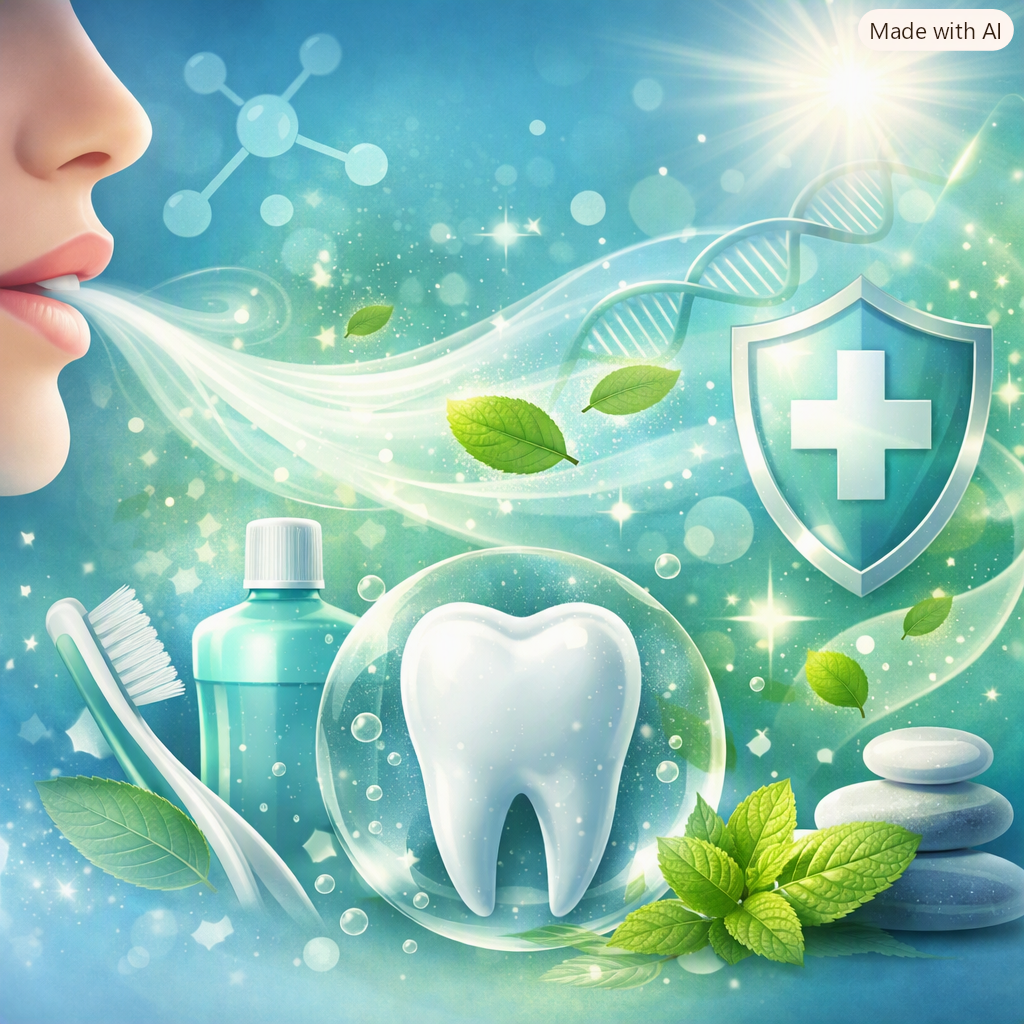
1. Executive Summary
Bad breath (halitosis) is a multi‑factor condition arising from oral, respiratory, gastrointestinal, metabolic, and lifestyle‑related causes. This thesis provides a deep, structured, medical‑grade analysis of:
- The various courses (causes) of bad breath
- The symptoms associated with each cause
- The remedies and evidence‑based management strategies
- The preventive frameworks
- The diagnostic pathways
- The public‑health implications
- The psychosocial impact
Each cause is treated as a stand‑alone chapter, with symptoms and remedies mapped clearly.
2. Introduction
Bad breath affects 25–30% of adults globally, with higher prevalence in populations with poor oral hygiene, chronic sinus conditions, smoking habits, or gastrointestinal disorders. Although often dismissed as a minor hygiene issue, halitosis can indicate underlying systemic disease, including diabetes, liver dysfunction, kidney failure, or chronic infections.
Halitosis is classified into:
- Genuine halitosis — measurable, persistent odor
- Pseudo‑halitosis — perceived but not clinically present
- Halitophobia — fear of bad breath despite absence
This thesis focuses on genuine halitosis, its causes, symptoms, and remedies.
3. Anatomy & Physiology of Breath Odor
3.1 Oral Microbiome
The mouth contains 700+ bacterial species. Anaerobic bacteria break down proteins, releasing volatile sulfur compounds (VSCs) such as:
- Hydrogen sulfide
- Methyl mercaptan
- Dimethyl sulfide
These compounds are the primary drivers of bad breath.
3.2 Saliva
Saliva cleanses the mouth. Reduced saliva (xerostomia) increases bacterial growth.
3.3 Tongue Surface
The tongue dorsum traps debris, bacteria, and sulfur‑producing biofilm.
4. Major Causes of Bad Breath (Courses)
Below is a complete classification, each with symptoms and remedies.
CHAPTER 1: ORAL HYGIENE‑RELATED HALITOSIS
1.1 Cause
Poor brushing, plaque accumulation, food debris, and bacterial overgrowth.
1.2 Symptoms
- Thick white/yellow tongue coating
- Morning breath
- Metallic or sour taste
- Visible plaque
- Gum sensitivity
1.3 Remedies
- Twice‑daily brushing
- Daily flossing
- Tongue scraping
- Antibacterial mouthwash
- Professional dental cleaning every 6 months
CHAPTER 2: GUM DISEASE (GINGIVITIS & PERIODONTITIS)
2.1 Cause
Inflammation and infection of gum tissue due to plaque and tartar.
2.2 Symptoms
- Bleeding gums
- Swollen gums
- Deep periodontal pockets
- Persistent foul odor
- Loose teeth
2.3 Remedies
- Deep cleaning (scaling & root planing)
- Antimicrobial rinses
- Improved oral hygiene
- Treatment of gum recession
CHAPTER 3: TONGUE COATING & BIOFILM
3.1 Cause
Anaerobic bacteria colonize the tongue surface.
3.2 Symptoms
- Thick coating
- Rotten‑egg odor
- Bitter taste
3.3 Remedies
- Daily tongue scraping
- Chlorhexidine or zinc‑based mouthwash
- Hydration
CHAPTER 4: DRY MOUTH (XEROSTOMIA)
4.1 Cause
Reduced saliva due to dehydration, medications, mouth breathing, or stress.
4.2 Symptoms
- Sticky mouth
- Difficulty swallowing
- Thick saliva
- Rapid plaque buildup
4.3 Remedies
- Increase water intake
- Sugar‑free gum
- Saliva‑stimulating lozenges
- Avoid alcohol‑based mouthwash
CHAPTER 5: SINUS, NOSE & THROAT INFECTIONS
5.1 Cause
Post‑nasal drip, sinusitis, tonsillitis, and throat infections.
5.2 Symptoms
- Mucus accumulation
- Bad breath when swallowing
- Tonsil stones (white lumps)
- Nasal congestion
5.3 Remedies
- Treat sinus infection
- Gargle warm salt water
- Remove tonsil stones
- Nasal irrigation
CHAPTER 6: TONSIL STONES (TONSILLOLITHS)
6.1 Cause
Food particles and bacteria trapped in tonsil crypts.
6.2 Symptoms
- Strong foul odor
- Visible white stones
- Throat irritation
6.3 Remedies
- Gentle removal
- Gargling
- Tonsil hygiene
- In severe cases, tonsillectomy
CHAPTER 7: GASTROINTESTINAL CAUSES
7.1 Acid Reflux (GERD)
Symptoms: sour breath, burning chest, regurgitation Remedies: avoid acidic foods, elevate head during sleep, medical evaluation
7.2 H. pylori Infection
Symptoms: stomach pain, bloating, sulfur breath Remedies: medical testing, professional treatment
7.3 Slow Digestion
Symptoms: bloating, gas, fermented odor Remedies: dietary adjustments, hydration
CHAPTER 8: DIABETES‑RELATED BREATH ODOR
8.1 Cause
High blood sugar leads to ketone breath, a fruity or acetone smell.
8.2 Symptoms
- Sweet/fruity odor
- Excessive thirst
- Frequent urination
8.3 Remedies
- Medical evaluation
- Blood sugar management
- Hydration
CHAPTER 9: LIVER & KIDNEY DISEASE
9.1 Liver Failure
Produces musty, sweet odor (fetor hepaticus).
9.2 Kidney Failure
Produces ammonia‑like odor.
Remedies
These require professional medical care.
CHAPTER 10: Smoking & Alcohol
10.1 Cause
Dry mouth, chemical residue, bacterial changes.
10.2 Symptoms
- Strong tobacco odor
- Dry mouth
- Yellow tongue
10.3 Remedies
- Reduce smoking
- Hydration
- Oral hygiene
CHAPTER 11: Dietary Causes
11.1 Foods
Garlic, onions, spices, high‑protein diets.
11.2 Symptoms
- Temporary strong odor
- Sulfur smell
11.3 Remedies
- Water
- Mouthwash
- Parsley, mint
CHAPTER 12: Medication‑Induced Halitosis
12.1 Cause
Antidepressants, antihistamines, blood pressure drugs reduce saliva.
12.2 Symptoms
- Dry mouth
- Bitter taste
12.3 Remedies
- Hydration
- Sugar‑free gum
CHAPTER 13: Hormonal Causes
13.1 Cause
Pregnancy, menstruation, menopause alter saliva and bacteria.
13.2 Symptoms
- Metallic taste
- Temporary odor
13.3 Remedies
- Hydration
- Oral hygiene
CHAPTER 14: Psychological & Social Impact
14.1 Effects
- Social withdrawal
- Anxiety
- Low self‑esteem
14.2 Remedies
- Counseling
- Education
- Support groups
CHAPTER 15: Diagnostic Methods
15.1 Clinical Tests
- Halimeter (VSC measurement)
- Gas chromatography
- Oral examination
- Tongue analysis
CHAPTER 16: Prevention Framework
16.1 Daily Routine
- Brush 2× daily
- Floss
- Tongue cleaning
- Hydration
16.2 Lifestyle
- Reduce smoking
- Balanced diet
- Manage stress
CHAPTER 17: Public Health Perspective
17.1 Awareness
Halitosis is under‑diagnosed and under‑treated.
17.2 Community Interventions
- Oral hygiene campaigns
- School programs
- Workplace wellness
CHAPTER 18: Conclusion
Bad breath is a multifactorial condition requiring a holistic approach. Understanding its causes, symptoms, and remedies empowers individuals to manage it effectively and identify when medical evaluation is necessary.





Be First to Comment